
Choose for the occasion
Search for dinner tonight, a gift, a celebration or a quiet bottle. Add the flavours you enjoy and the amount you want to spend.
See how it tastes, whether it is ready and what it should cost, then find the bottle that fits tonight without turning dinner into research.
Château Lafite Rothschild 2016
Pauillac · Premier Grand Cru Classé
94
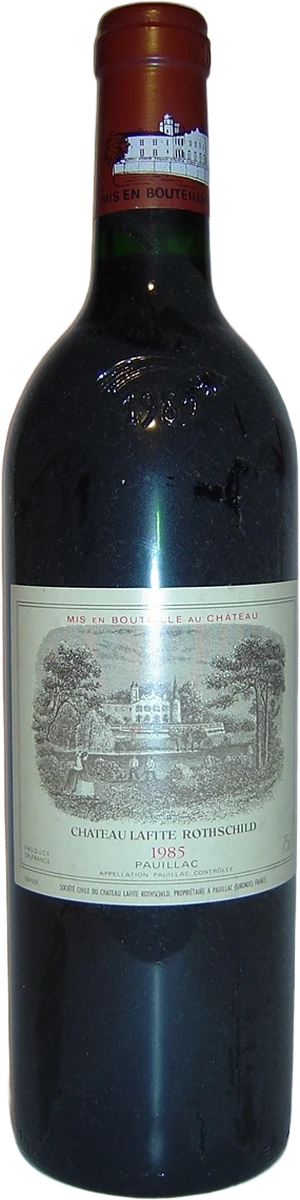
12 merchants stock it
6 vintages tracked · reviews follow the vintage
See the fruit, oak, tannin, acidity and body of the exact vintage. Use expert and real-drinker opinions without mixing them into one mystery score.
See whether the bottle is early, in its best drinking window or starting to fade. If it needs more time, find a ready bottle with a similar style.
Compare the asking price with dated retail and auction evidence. Fees and shipping stay visible, so a discount badge cannot do all the talking.
The best answer is not “highest score”. It is the bottle that fits your taste, timing, meal and budget.
Search for dinner tonight, a gift, a celebration or a quiet bottle. Add the flavours you enjoy and the amount you want to spend.
Start with the dish and see wines whose flavour and structure fit, including ready bottles already sitting in your cellar.
Compare the famous year with nearby vintages that may be ready sooner, taste closer to your preference and cost less.
Use the producer, wine and vintage on the label so the answer belongs to what you can actually open.
Check flavour, drinking window and price context together. Scores remain supporting evidence, not the decision.
Open it, hold it or compare a ready alternative that better fits the meal, guest and budget.
Wine apps can turn one simple question into dozens of scores, reviews and market numbers. That is only useful if those signals help prevent the familiar disappointments: paying too much, opening too early or choosing a style you never liked.
WineExperts keeps the answer close to the question. What does it taste like? Is it ready? Is the price fair? What should I open instead? The final choice stays personal.
It can compare the exact vintage’s flavour and structure with preferences you save. It explains the match rather than pretending taste is guaranteed.
Yes. Start with a dish, celebration, gift, style or budget and compare suitable bottles, including ready wines from your own cellar.
Weather and age can change flavour, quality and readiness. A producer score or general description may not describe the bottle in front of you.
No. They stay separate with their source and date, so you can understand agreement without hiding it inside one number.
Yes. Compare current merchant asks with dated auction and retail evidence, then include known fees and delivery before calling it a bargain.
Hold it with a reminder, or find a similar wine or neighbouring vintage that is drinking well now.
Search the wine, check the moment and open something that fits the night.